
Two Baby Cranes Make Como Zoo History
There is some exciting news coming out of the Como Zoo, and it involves two new arrivals.
For the first time in the zoo's history, two grey-crowned crane chicks have successfully hatched, and they are super tiny!
MEET AMANI AND BARAKA!
Amani and Baraka are already growing fast and keeping the zookeepers busy.
Wondering how the two chicks got their names? Supporters of Como Friends chose the names. Amani means “peace” and Baraka means “blessing” in Swahili.
HATCHING OUT OF PUBLIC VIEW
The chicks hatched away from the public in the holding area of the zoo's giraffe building. That is where their parents, Houdini and Mutambi, decided to build their nest. You won't see them much right now, as they are too small to go outside. Hawks and other predators could easily kill them, so for now, the only chance you will get to see them is if you peek through the mesh door in the holding area.
Parents Houdini and Mutambi have been part of a breeding program since 2023 and have produced eggs in previous years, but those attempts did not result in chicks surviving.
AMANI AND BARAKA ARE THRIVING
Senior Zookeeper Jill Erzar says both chicks are doing well and have already started showing some independence when it comes to eating. They have even figured out how to chase down their own mealworms and crickets.
And while the babies are getting lots of attention from the zoo staff, their dad Houdini may be the star of the family story.
HOUDINI LOVES HIS BABIES
Erzar says Houdini is normally very protective and territorial around people, but he has a completely different side when he is with his babies. He has been seen snuggling into the nest with them and even helping feed them. What a good papa.
STAYING OUT OF SIGHT
Amani and Baraka will be staying behind the scenes for now.
The chicks need time to grow before they can venture outside. Grey crowned cranes are vulnerable to predators, including hawks, so the zoo wants to make sure the youngsters are large enough to safely explore their outdoor habitat.
That doesn't mean visitors have absolutely no chance of seeing them.
Como Zoo says there may be an occasional opportunity to catch a glimpse of the babies through a mesh door in their holding area. So if you're visiting the zoo, keep your eyes open. You might get lucky.

WHAT DO BABY GREY-CROWNED CRANES LOOK LIKE?
The baby cranes definitely don't resemble their parents yet. They are little, awkward, and have no bright red color yet.
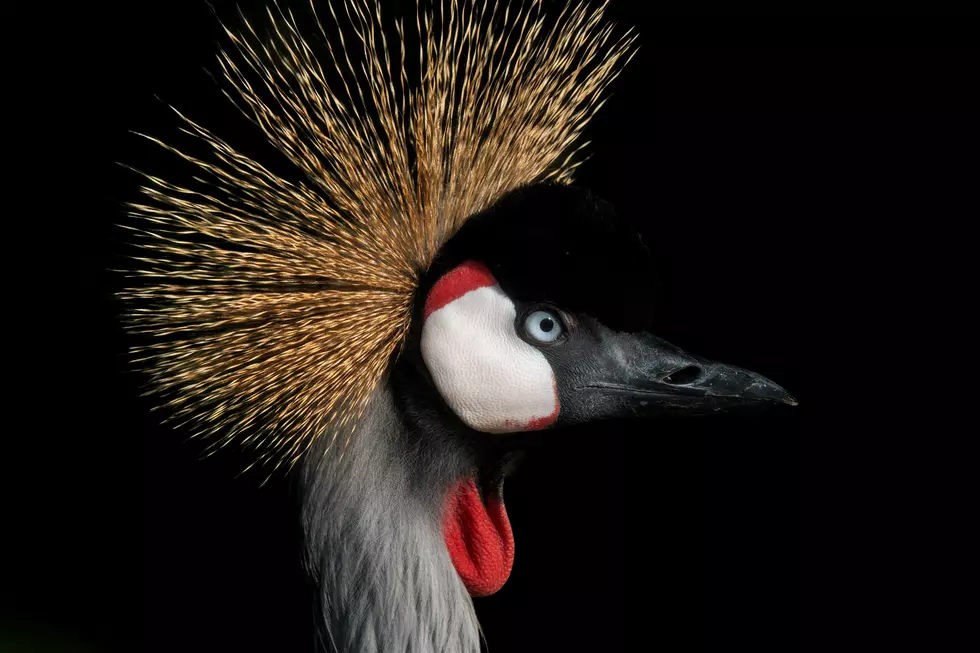
Adult grey-crowned cranes are hard to miss. They have distinctive golden feathers on their heads that look almost like a crown, along with grey bodies, white and gold wings, and bright red throat pouches.
Amani and Baraka have a long way to go before they develop that unmistakable adult appearance. Right now, they are covered in tan and brown feathers and have the long legs and necks you would expect from a crane.
RELATED STORIES BY KELLY CORDES
Meet The Adorable Baby Sloth Capturing Hearts At Como Park
WHERE DO GREY-CROWNED CRANES COME FROM?
Grey-crowned cranes are native to eastern and southern Africa, with some of the largest populations found in Uganda, Kenya and Tanzania. They are considered an endangered species, and their numbers in the wild have been declining.
That makes the successful hatching at Como Zoo more than just a cute baby animal story.It is also an important moment for conservation.
For Como Zoo, seeing these two chicks hatch and thrive is especially meaningful after previous breeding attempts did not produce surviving offspring.
AMANI AND BARAKA ARE MAKING HISTORY
So while Amani and Baraka may be spending their first weeks of life out of the spotlight, they are already making history at Como Zoo.
And someday soon, those awkward little brown chicks will grow into the beautiful, golden-crowned birds that visitors recognize.
For now, though, they're just two very special little cranes with a lot of growing to do.
Como Park Zoo
Gallery Credit: Paul Habstritt
LOOK: 30 fascinating facts about sleep in the animal kingdom
Gallery Credit: Katherine Gallagher
LOOK: 20 of the biggest insects in the world
Gallery Credit: Andrea Vale
More From 98.1 Minnesota's New Country


![Minnesota’s Fall Colors Arrive Fast And Fade Faster..[SEE PHOTOS]](https://townsquare.media/site/65/files/2026/10/attachment-9.JPG?w=980&q=75)